The “Anthropology Teaching Collection” Re-imagined
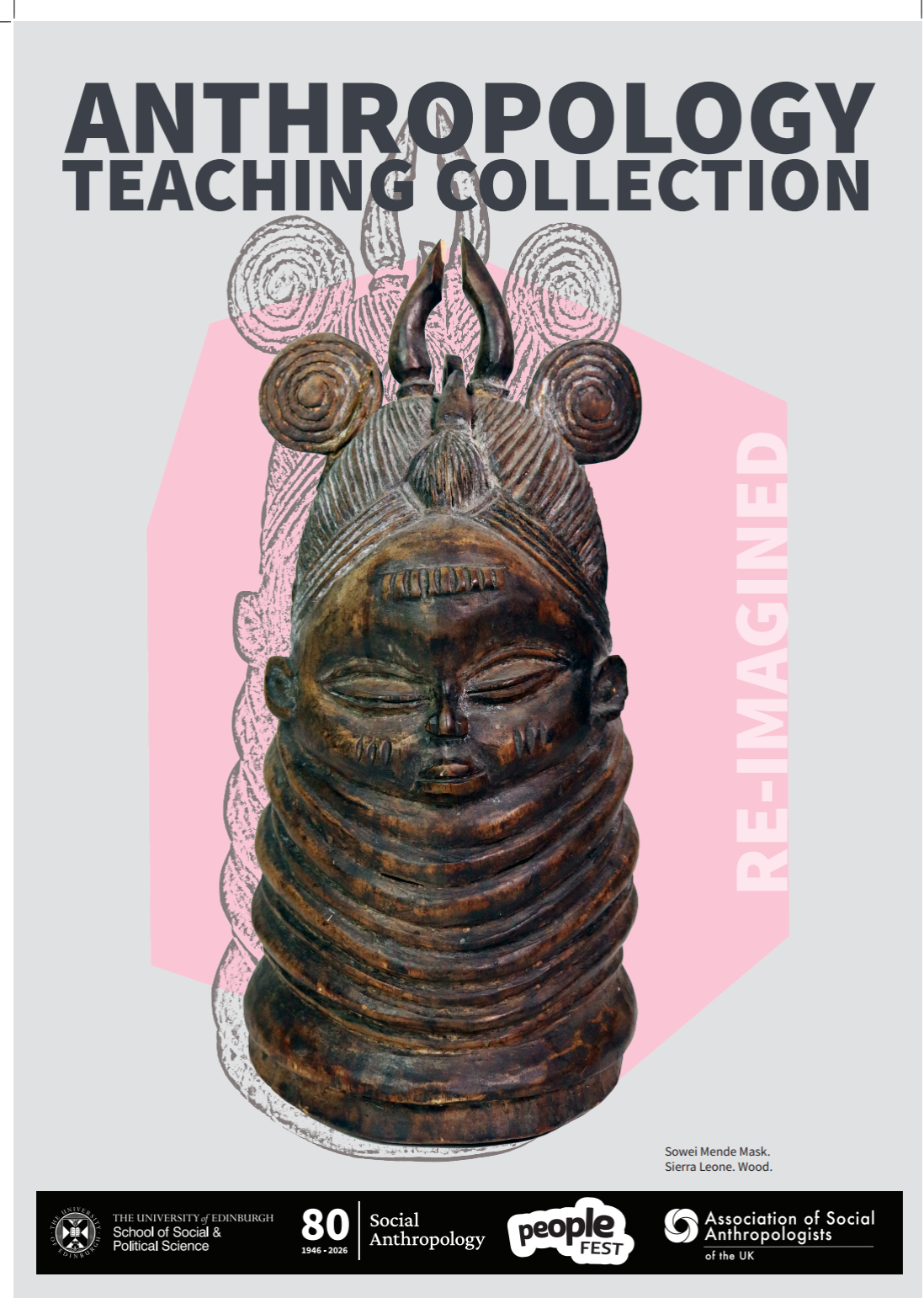
The “Anthropology Teaching Collection” is a gathering of objects brought to Edinburgh by anthropologists working and studying at the University of Edinburgh. The history of the collection is poorly documented, but the oldest items are associated with the work of Professor Kenneth Little and PhD students he supervised in the 1950s. This collection is, therefore, entwined with the history of anthropology at the University of Edinburgh and deeply implicated within the discipline’s longer history of collecting.
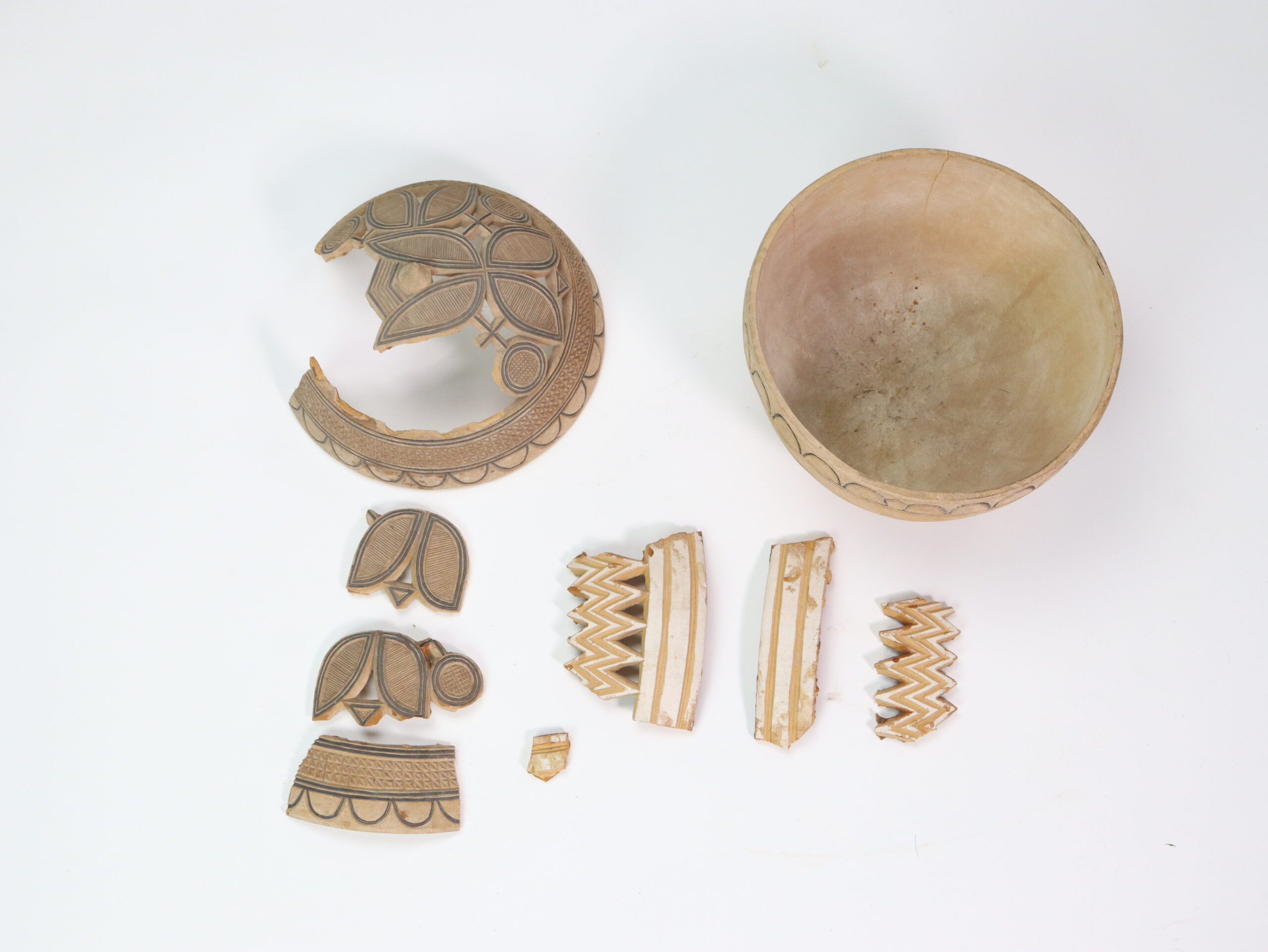
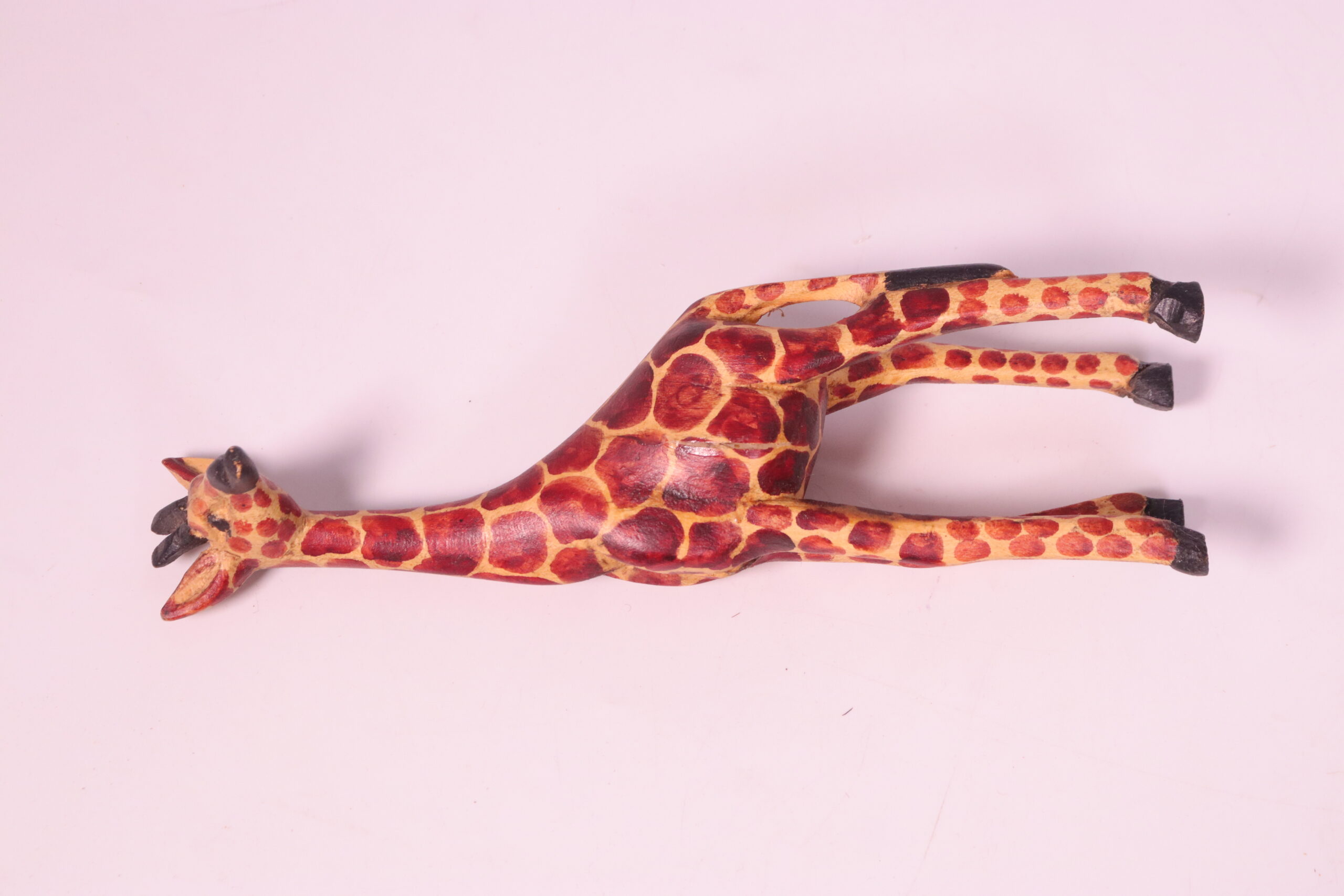
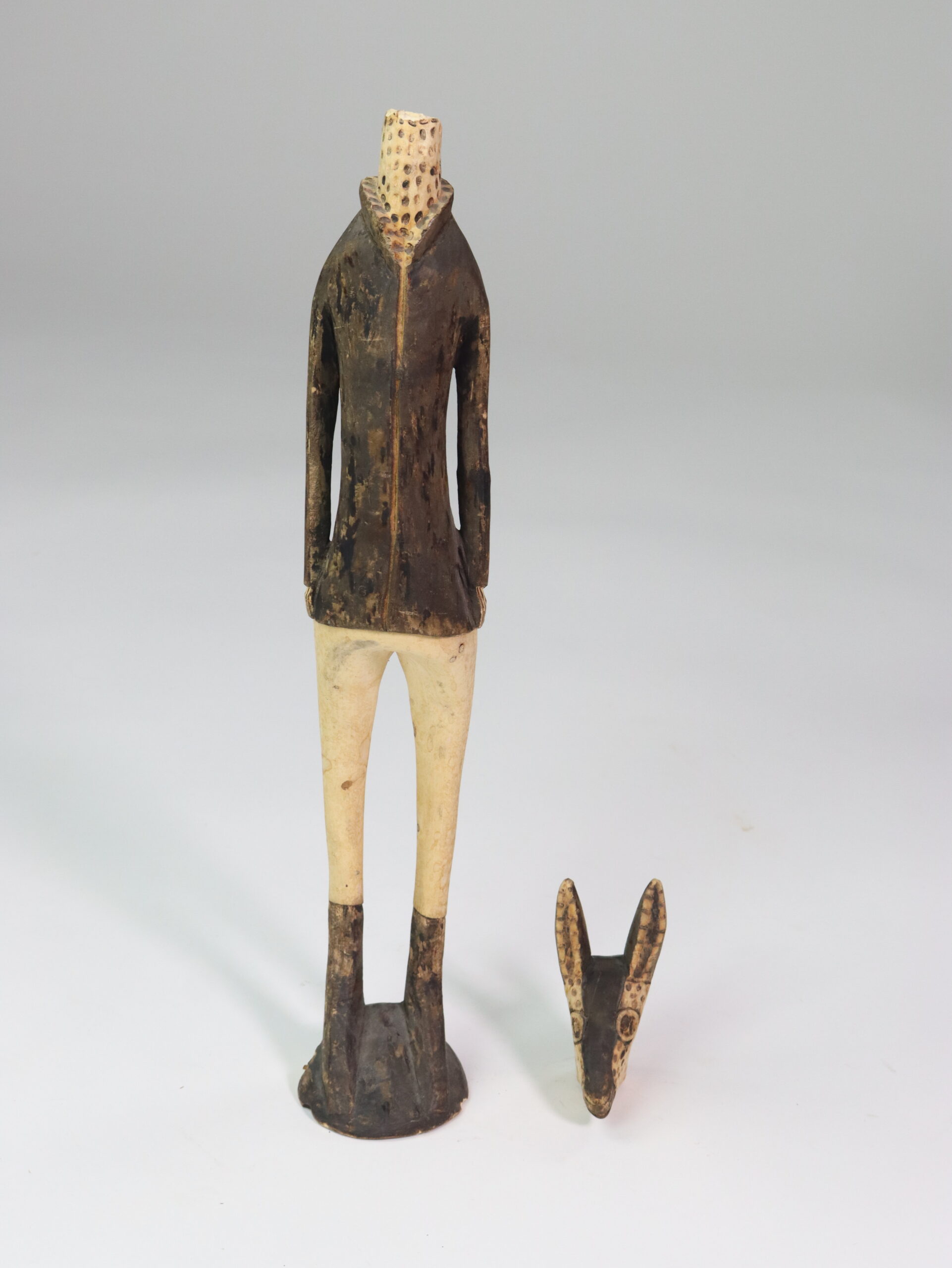
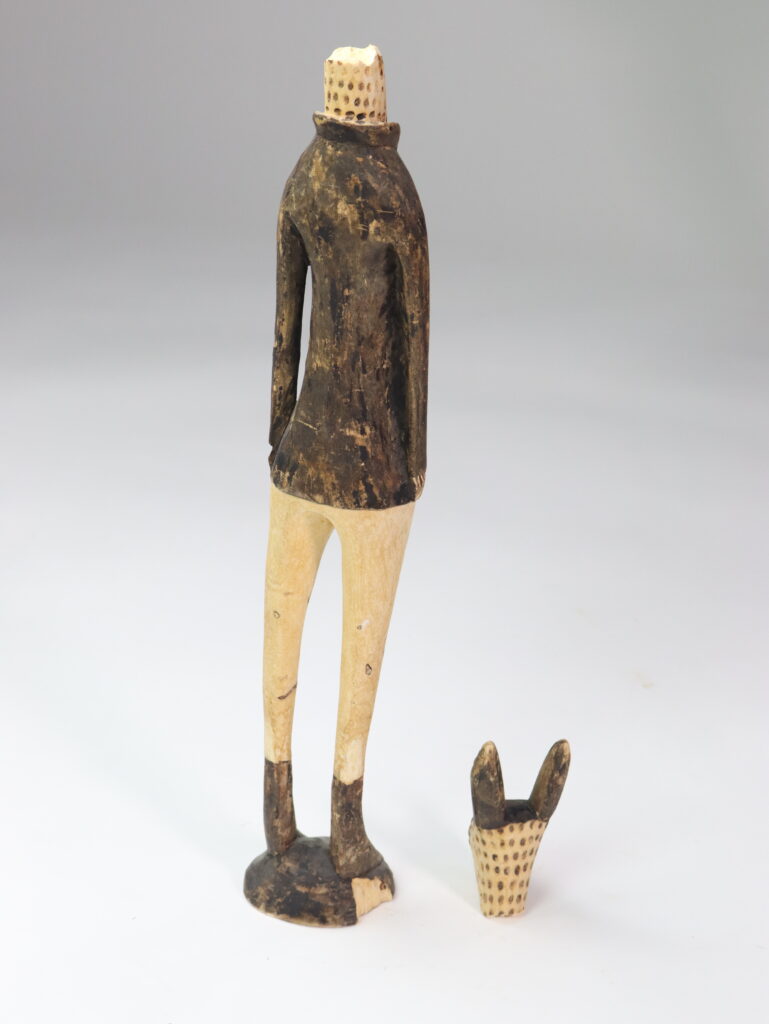
The work of assembling collections of “ethnographic” objects, taken from source communities and brought to museums and universities in Europe and North America, was indivisible from the work of imperialism. Collections like these are, therefore, a difficult inheritance, associated with forms of anthropological study which we aspire to critique and move beyond. Perhaps for this reason, these masks, rattles, broken dishes and animals carved of wood and other objects in the collection, have been neglected over the years. There have been only fragmented cataloguing attempts, leaving several objects in a dilapidated state and resulting in significant difficulties in ascertaining provenance.
The most recent attempt to engage with this collection’s obscure and potentially difficult past saw a group of undergraduate students create an up-to-date catalogue and website accompanied by some creative reflections including a zine and individual blog posts. Based on this work, this exhibition brings some of these objects back on public display, both to showcase what students have discovered while drawing attention to the practical and ethical challenges that remain; reimagining our relationships with this inherited collection.
The first cabinet holds three Sierra Leonian Sowei Masks traced back to Professor Little’s research and the beginnings of the Social Anthropology department in Edinburgh. There are also some musical instruments, including a group of Cameroonian Bamileke rattles (presented together following previous vague cataloguing attempts), alongside two South Asian drums believed to be collected by previous PhD students.
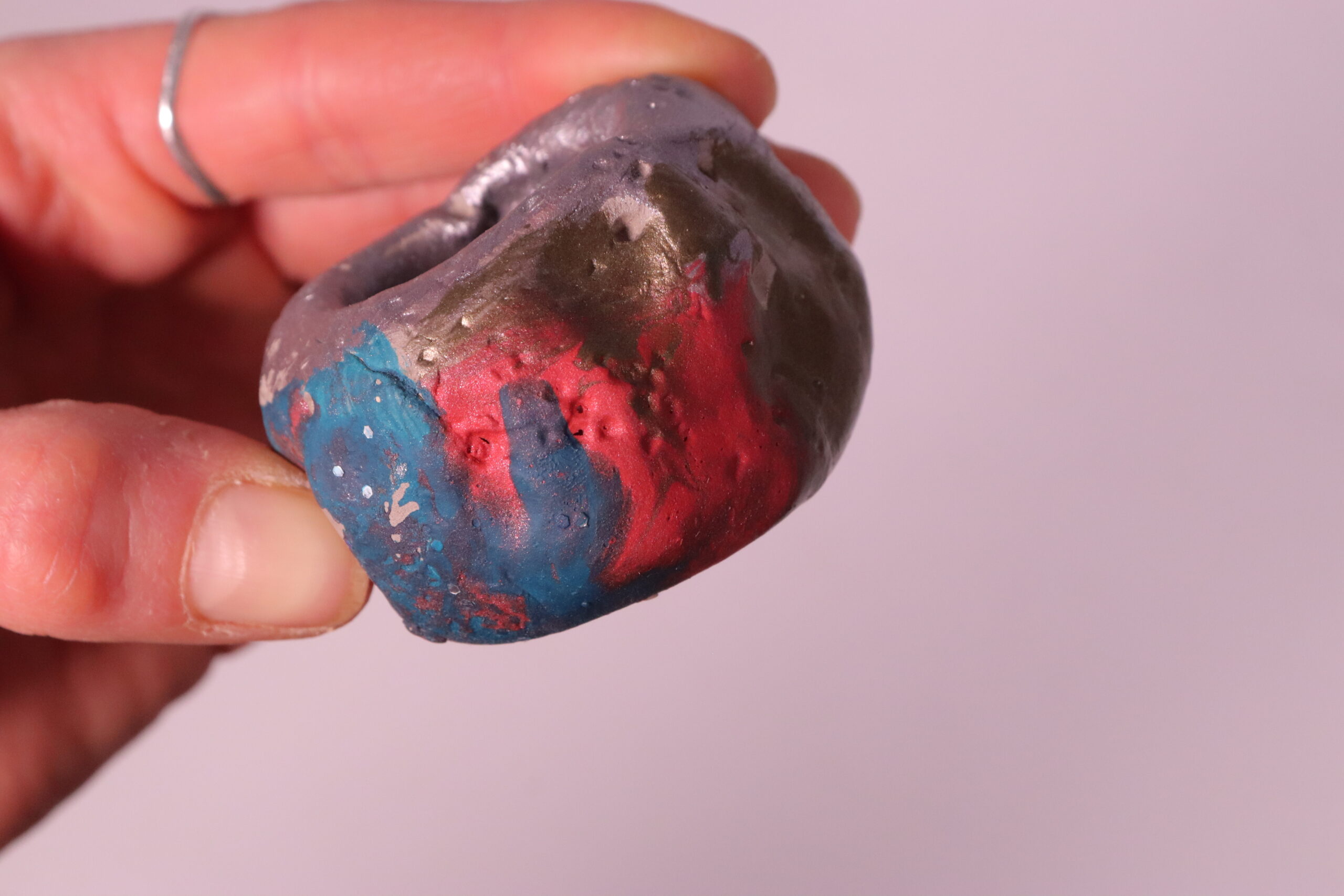
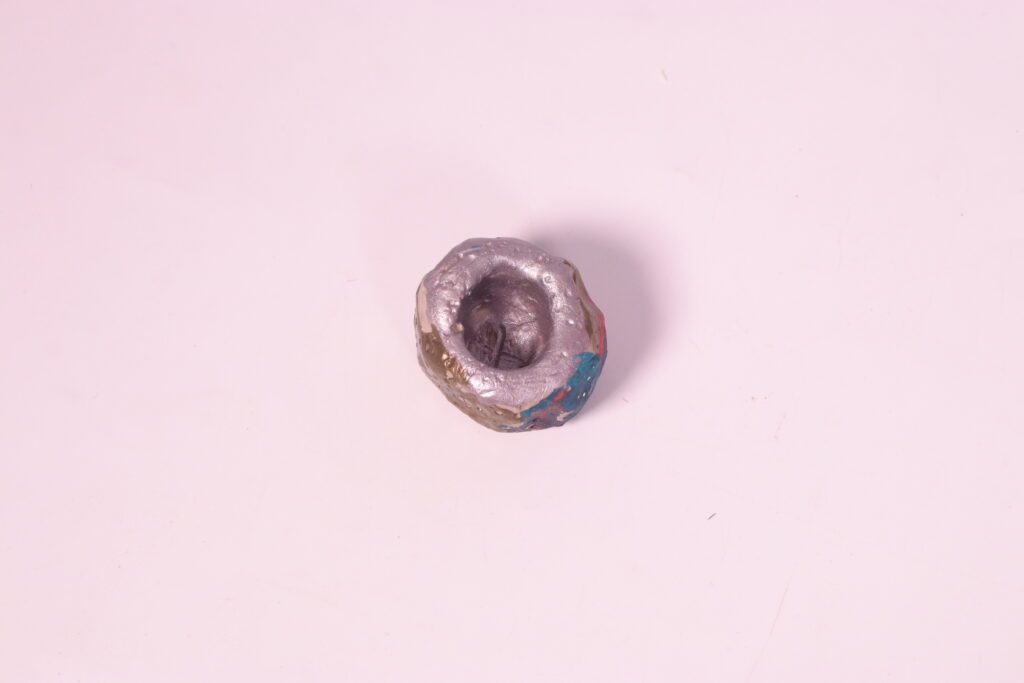
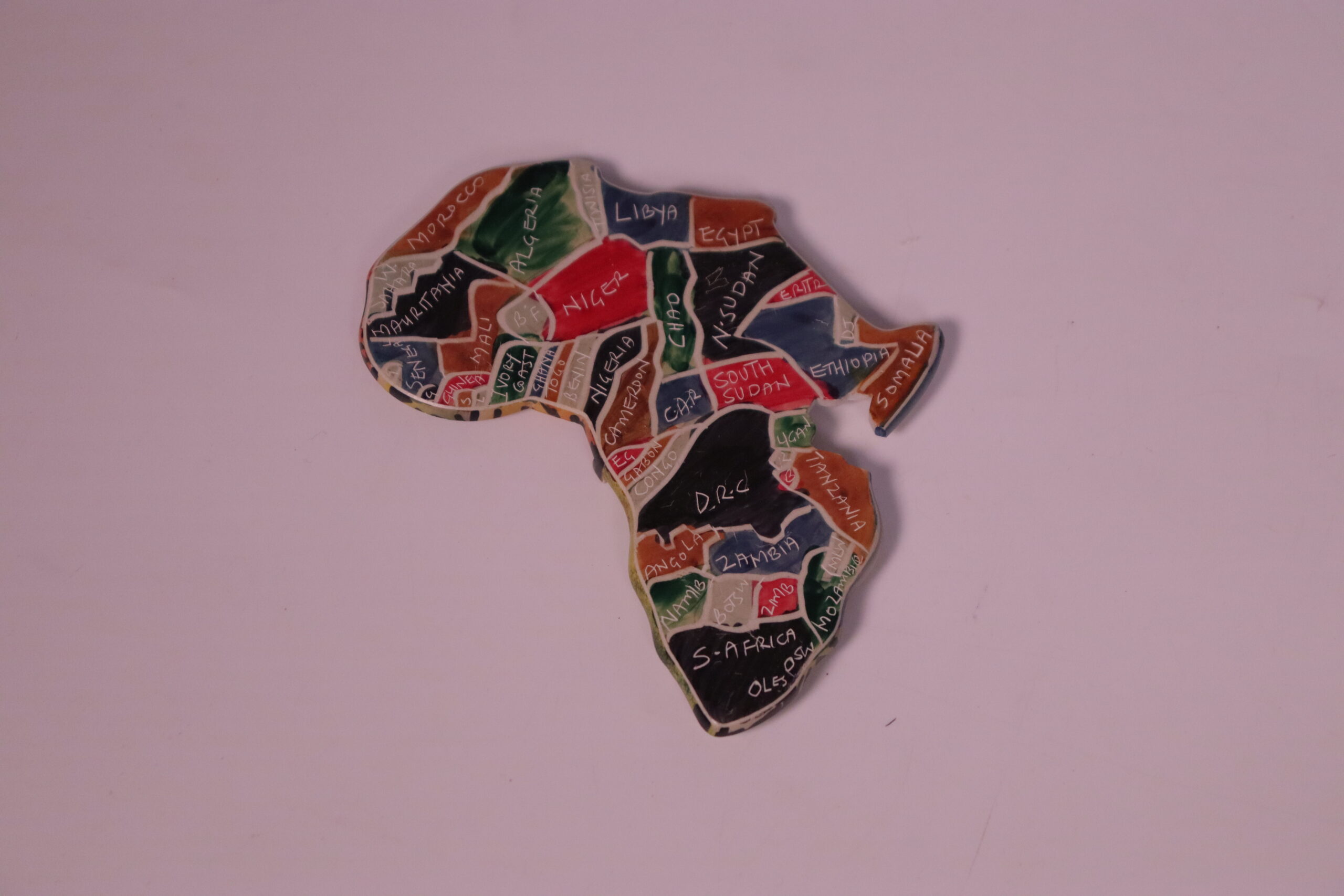
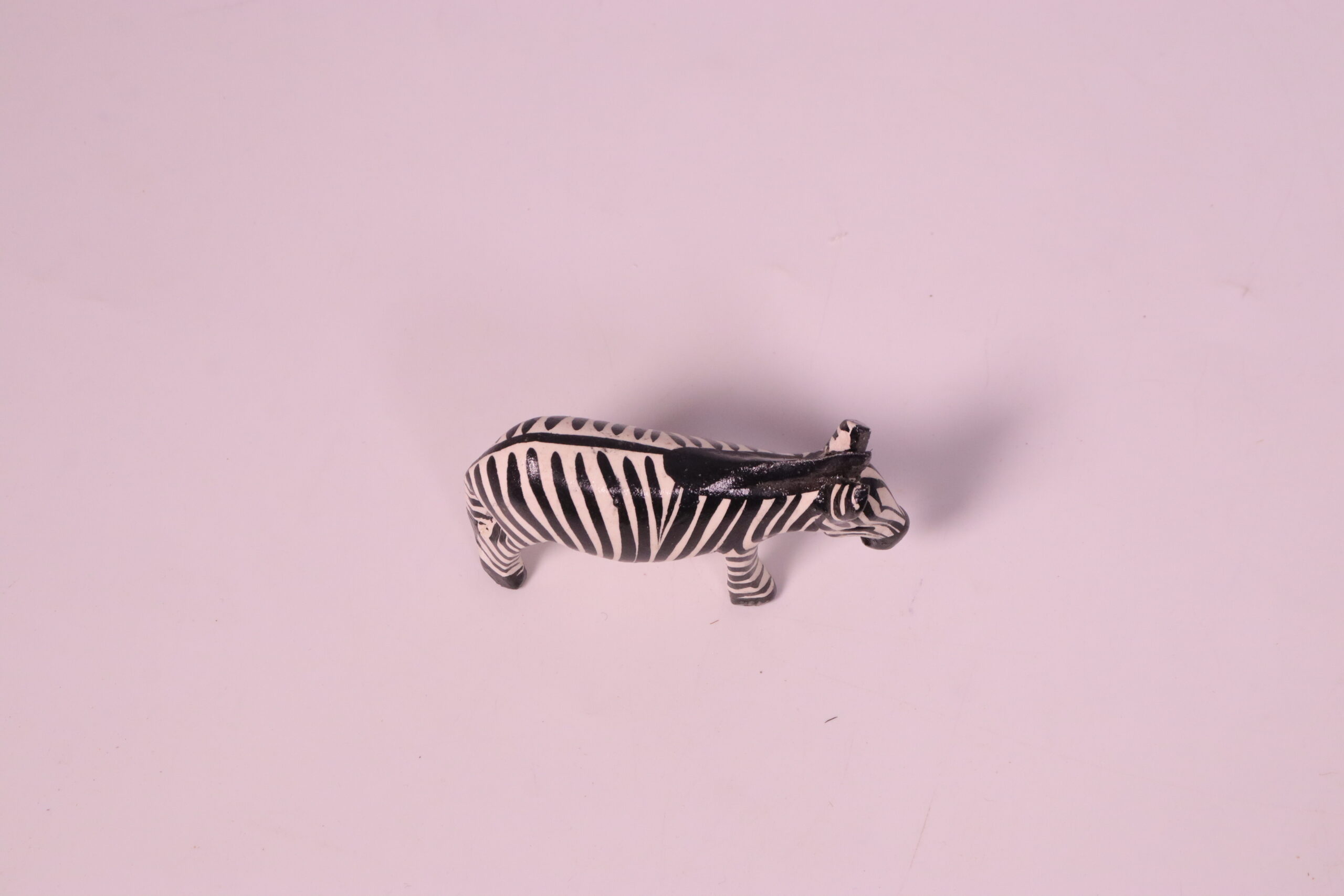
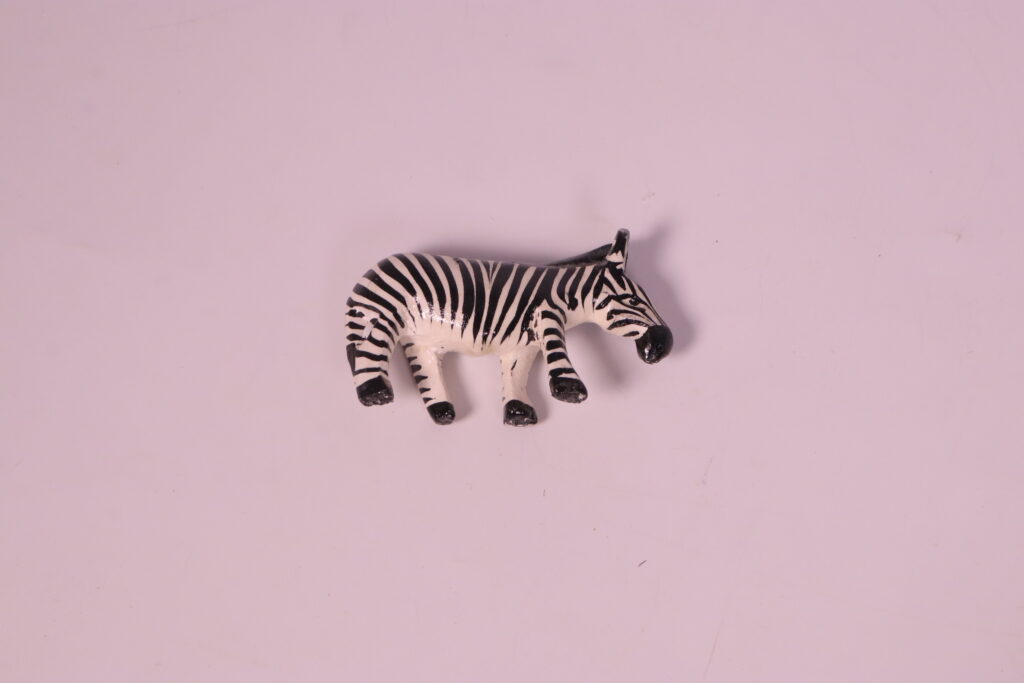
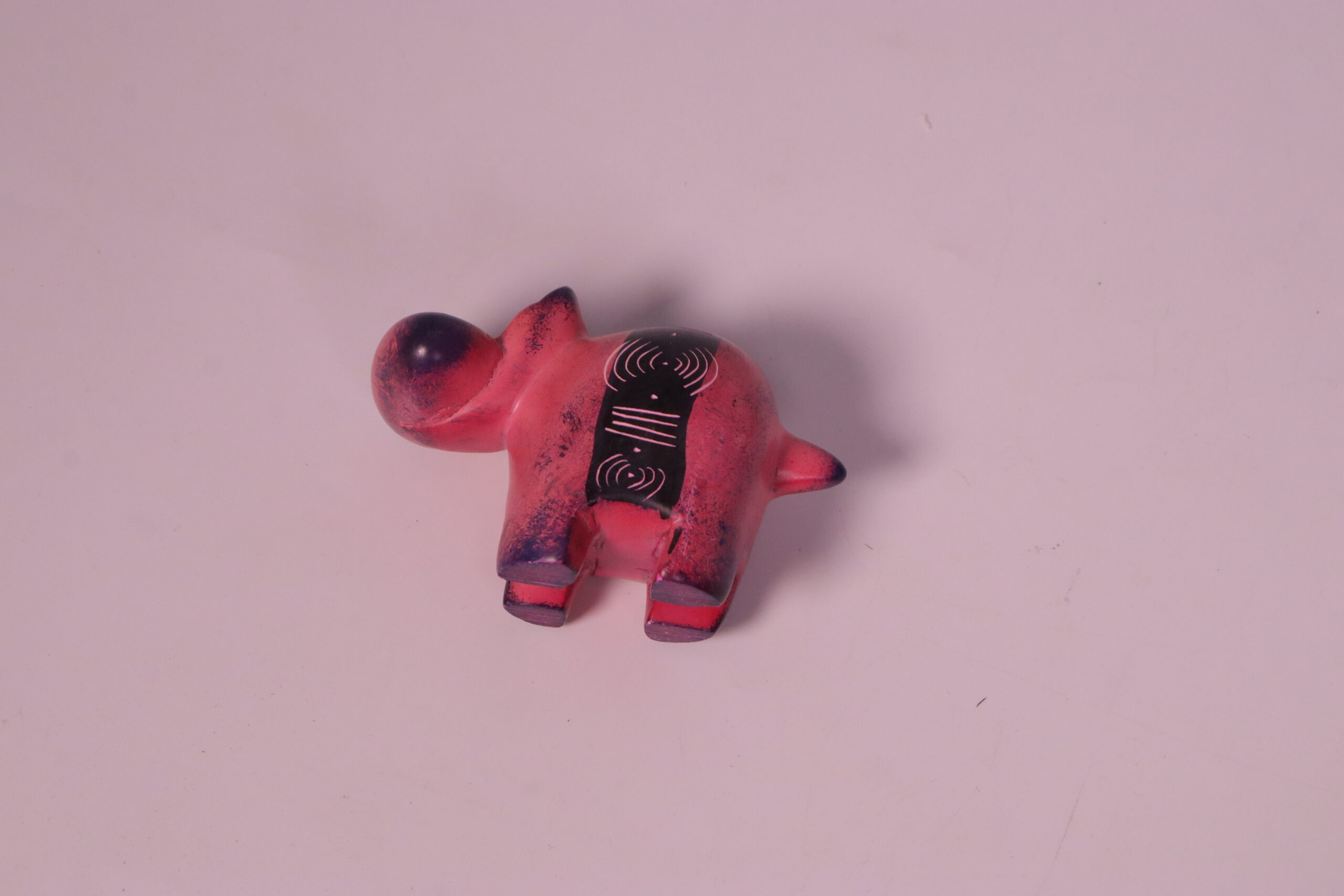
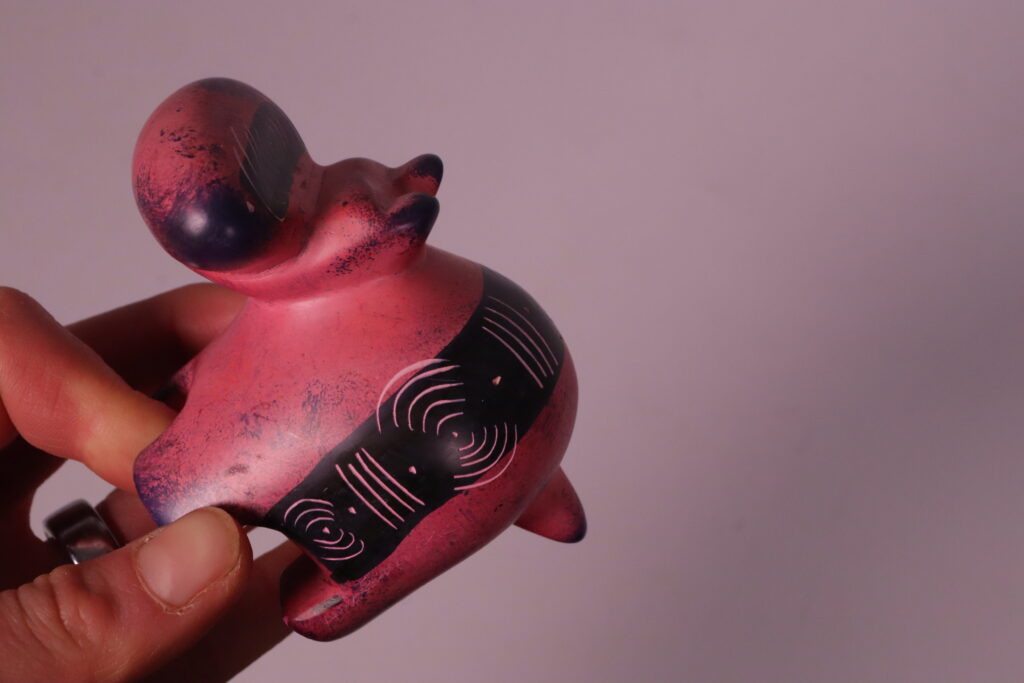
The second cabinet highlights the treatment of the objects, revealing instances of damage and poor repair. It also presents a number of smaller objects, some which may simply be souvenirs brought back by Edinburgh anthropologists, which have been absorbed into the collection over the years. In doing so, the cabinet underpins this notion of reimagining the ethnographic through this curious assortment of things, proposing that we confront our histories of neglect and unsettling our understandings of what comprises an ethnographic collection.
As a student-led project, this exhibition is centred on creating visibility for the collection as a step in a larger initiative. As well as creating new opportunities to care for these objects we hope to create a critical space to reflect on the long history of anthropological collecting and its association with the legacies of colonialism, situated within wider discourse on decolonisation. Reflecting on how objects may speak not only of the ways and habits of source communities but the legacy of anthropological entanglements with the lives of others?
Reimagining this collection hinges on highlighting how learning takes place and reflecting on the turbulent past of the discipline. Exploring the challenges which arise in class while shying away from interacting with collections like these seems like a disjointed approach, which denies the very inheritance we live with and amongst. Through this exhibition, and in aspiration of bridging these gaps, we ask ‘how might we create space to sit with these challenges, continuing difficult conversations, while also recognising that there is much more work to do?